
Answers Logo
Answers Logo
HomeArticles: ParentsArticles: TeensMagazineParent programShop
Trusted by families all over the world

Empowering Families to Thrive Together

Get instant access to expert information, guidance and resources designed to help parents and teens navigate life's challenges with confidence.

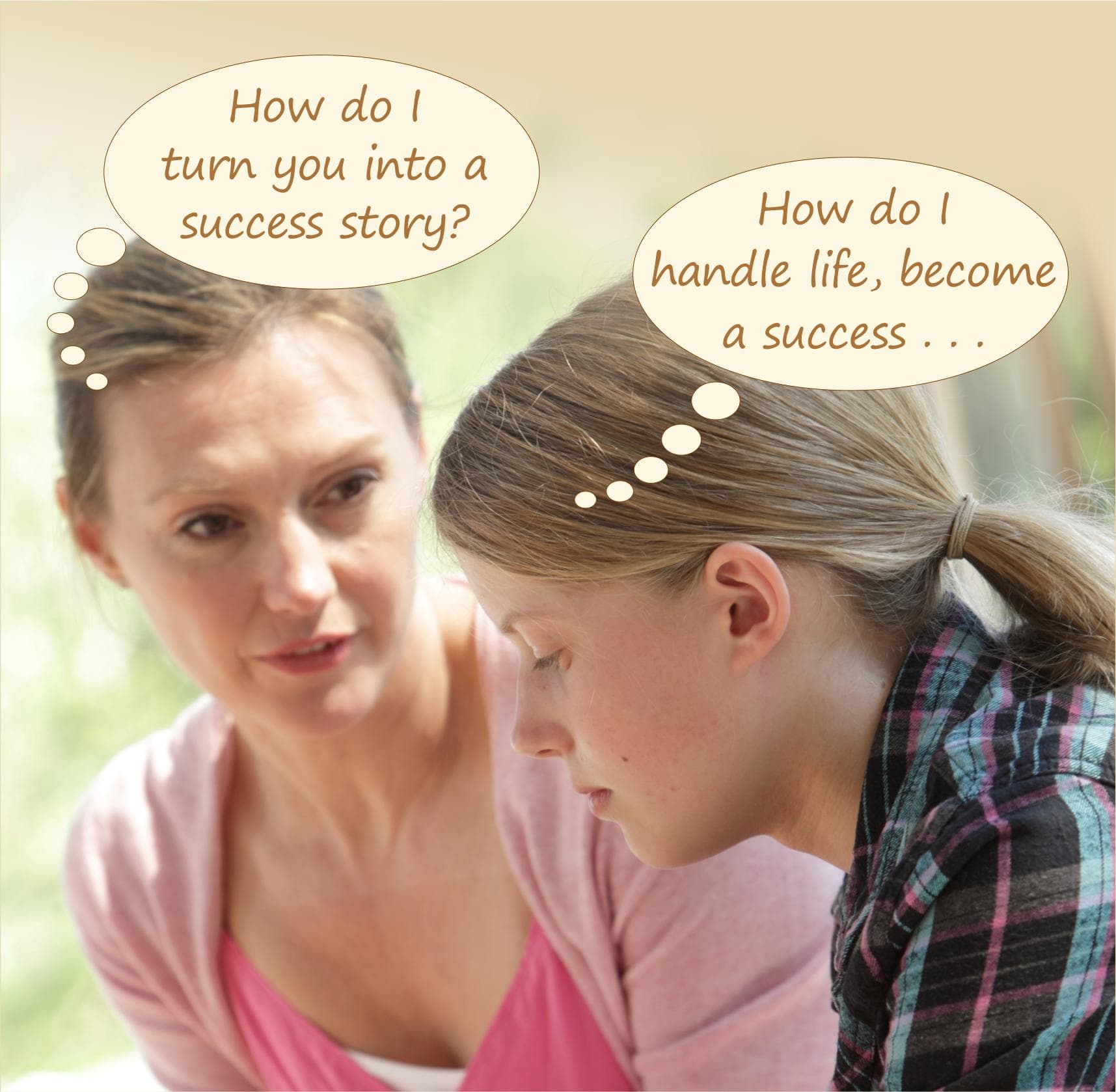
Answers for parents and teens
Parent and teen

500+

Parent

Articles

1,100+

Teen

Articles

Everything Your Family Needs

Non-members get tons of free stuff. A year subscription give members access to all the stuff.

Expert Articles
In-depth "what to do" and "how to do it" guidance by parenting and teen experts for both parents and teens.
Magazine
Topic of the month, selected articles, latest research and interviews to keep you up to date on what's important.
Parent Program
An A-to-Z “all in one guide” that shows parents how to get their teens life-ready.
Resource Shop
Books and step-by-step self-help courses that can benefit your whole family.

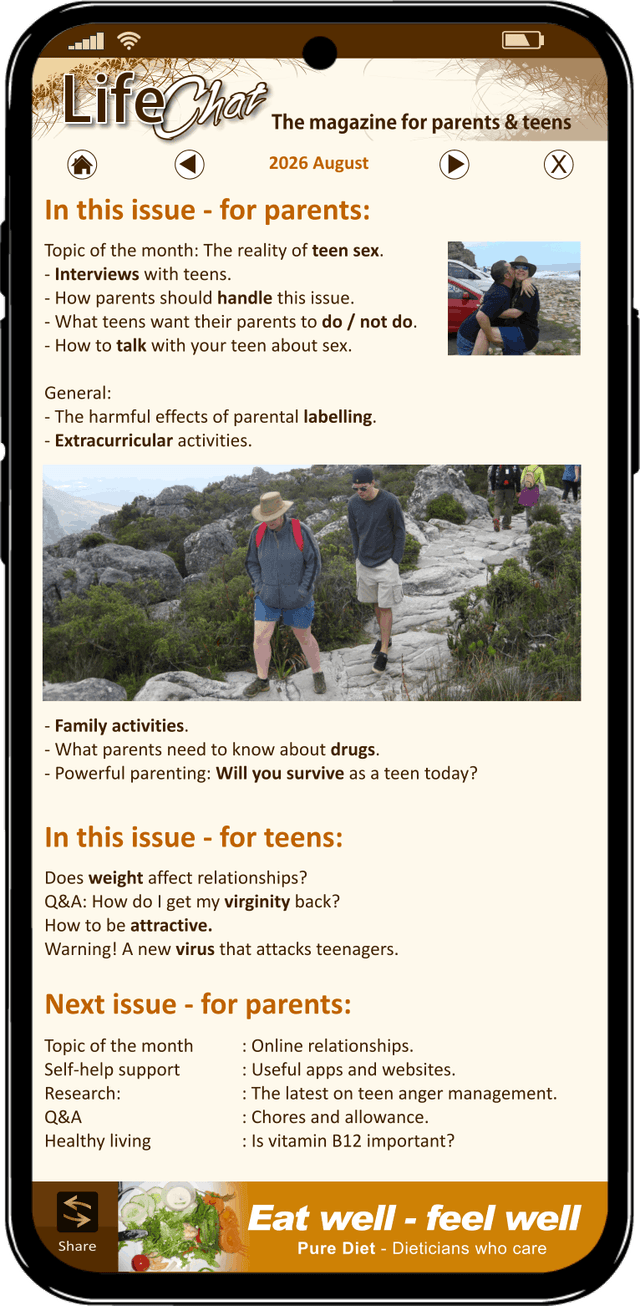
Life Chat - the magazine for the entire family

Stay up to date with what's important and necessary to know.

T

Topic of the month

What's trending now

I

Interviews with parents

Real stories and experiences

I

Interviews with teens

Teen voices and perspectives

A

New articles available

Fresh reads for the whole family

R

Research and statistics

Latest findings and key insights

F

Readers feedback

What our readers are saying

A

Advice form experts

Professional guidance you can trust

P

New products & services

Discover useful tools and offers

Q

Quizzess

Fun challenges to test your knowledge

C

Competitions

Enter and stand a chance to win

Magazine
Magazine

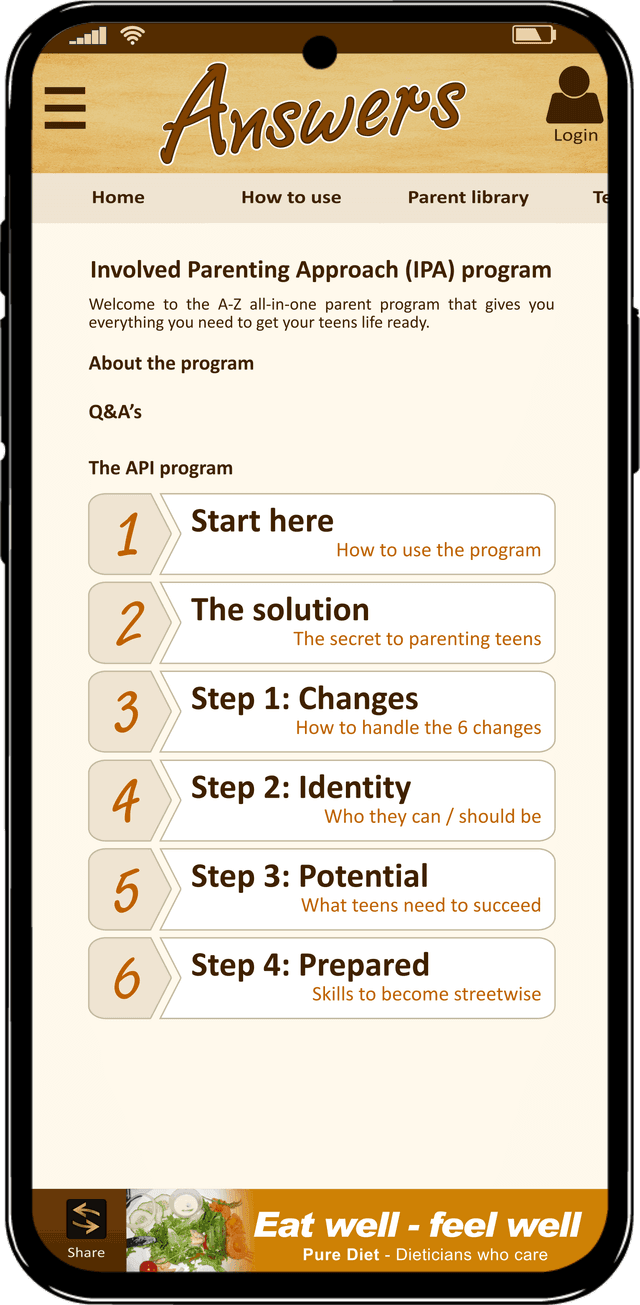
Involved Parenting Approach (IPA) program

The most comprehensive program for parents with teens currently available. But don't take our word for it. Read the first and last sections, which are free and decide for yourself. OR find a more comprehensive program and get our entire program for free.

S

Start here

What to do/ not do

?

The solution

The secret to parenting teens

1

Step 1: Changes

How to handle the 6 changes

2

Step 2: Identity

Who they can / should be

3

Step 3: Potential

what teens need to succeed

4

Step 4: Safety

Skills to become streetwise

Topics

The program covers a total of 262 topics.

Approach

Our non-descriptive approach allows you to decide what to use in the program.

Parenting

The program provides everything you need to guide your teens through adolescence and puberty + get them life ready.

Tips & tools

128 tips and 92 tools.

Extra reading

157 related articles.

Good to know

241 "add ins" that can be useful.

40/60

You can start with the short version (which covers +/- 40% of the content) and read the rest when you have the time.
Parent Program

Your learning academy for comprehensive solutions

Our self-help books, guides and programs (for personal use) and workshops manuals (for group training) provide topic-specific solutions written by the best experts in the field.

Be Sexwise Image

Book

Be Sexwise

the book each teen must read because it uses an approach that ensures they hear what they should hear and will remember what they should remember

$14

Talking with your teens about sex Image

Workbook

Talking with your teens about sex

this six part program provides parents of teens with absolutely everything they need to optimize the effectiveness of their parenting and get their teens life ready

$8

Effective studying Image

Guide

Effective studying

this six part program provides parents of teens with absolutely everything they need to optimize the effectiveness of their parenting and get their teens life ready

$8

The A-Z interview guide Image

Guide

The A-Z interview guide

this six part program provides parents of teens with absolutely everything they need to optimize the effectiveness of their parenting and get their teens life ready

$14

Loved by Families Everywhere

See what parents are saying about their experience with Answers

"This app has transformed how we communicate as a family. The courses are practical and easy to follow."

Sarah M.

Mother of 3

"Finally, a resource that addresses real parenting challenges. The quizzes helped me understand my teen better."

Michael T.

Father of 2

"Worth every penny! My kids actually enjoy the learning activities, and I've become a more patient parent."

Jennifer L.

Mother of 2

"This app has transformed how we communicate as a family. The courses are practical and easy to follow."

Sarah M.

Mother of 3

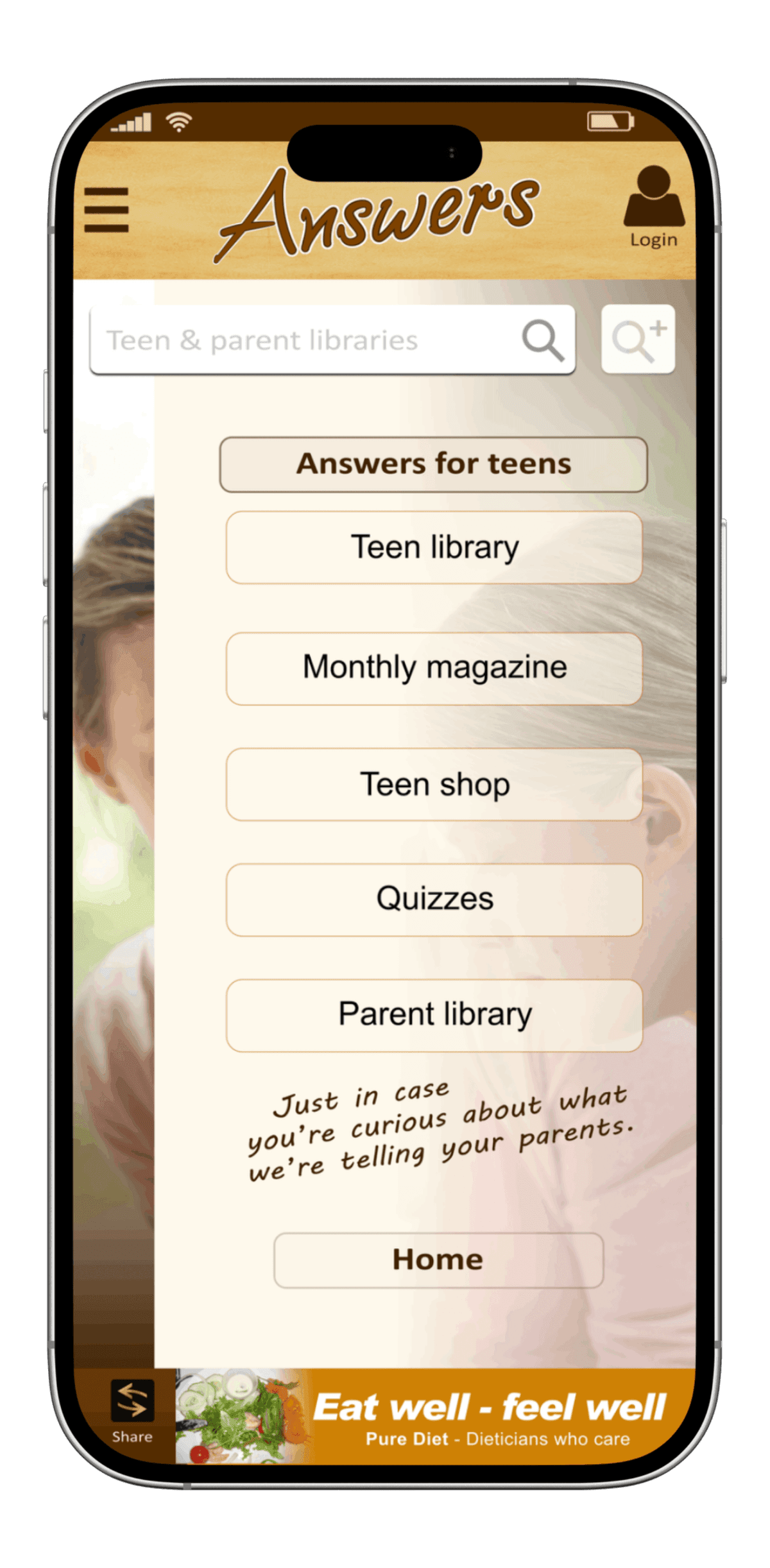
Take Answers Everywhere with Our Mobile App

Get 24/7 on the go access to all the answers and solutions you need in our parent and teen libraries.
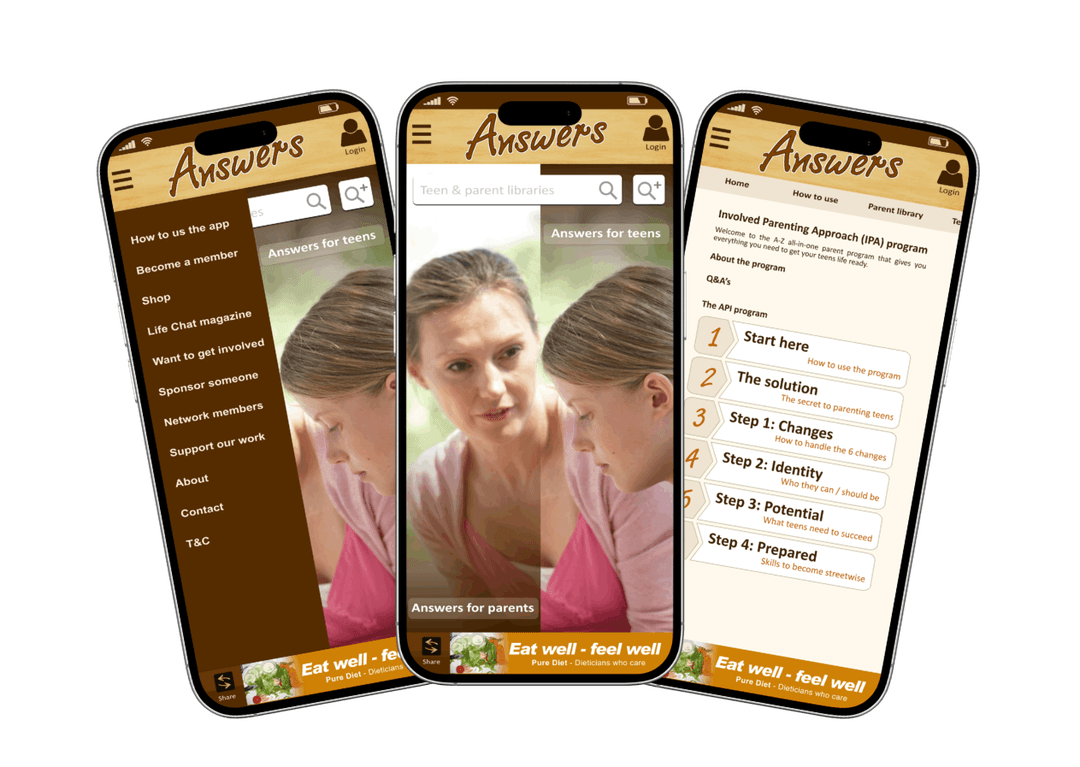
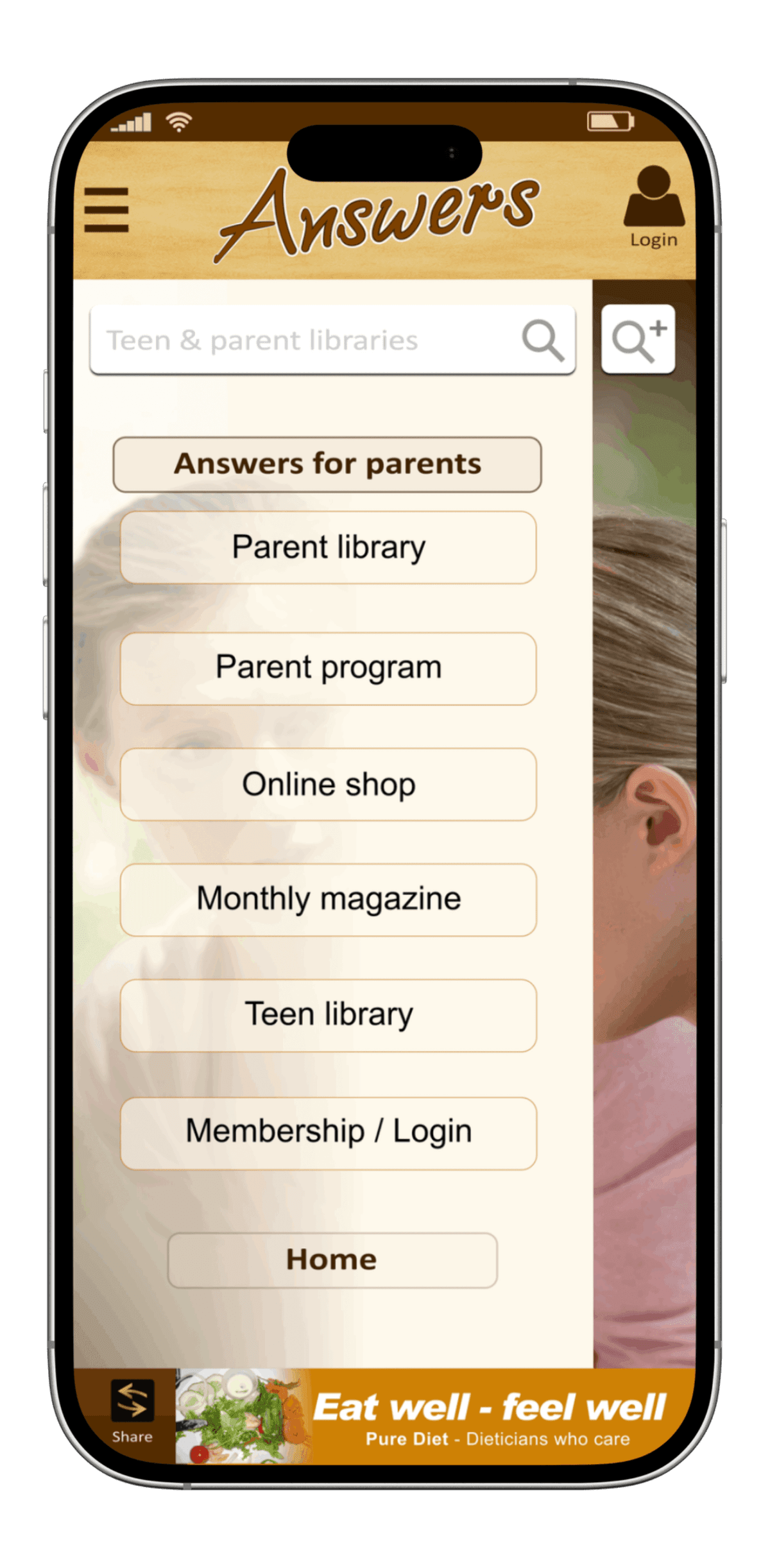
Mobile app preview

Ready to Transform Your Family's Journey?

Answers Logo
Answers

Empowering families to thrive together through expert guidance and resources.

Resources

  • Home
  • Articles for Parents
  • Articles for Teens
  • Shop
  • Magazine

Programs

  • Advertise
  • Network
  • Parent Program
  • Contact Us

Legal

  • Privacy Policy
  • Terms of Service

© 2026 Answers. All rights reserved.

Sample articles from the parent library in the Answers app

With 500+ articles for parents and 1,100+ for teens, increasing each month.

Article samples

Conflict and conflict management

Conflict and conflict management

What it is

The focus of conflict management is on preventing conflict and where it does occur to resolve it quickly. Conflict can take on many forms but generally falls in three categories, namely:

  1. Differences of opinion, meaning having different views;
  2. Personality clashes and
  3. Misunderstandings.


Why is conflict management important

If not dealt with conflict can lead to things like:

  1. anger;
  2. frustration;
  3. fear;
  4. anxiety;
  5. hate and
  6. many other negative emotions.

Such emotions can lead to inappropriate thoughts and behaviour and can cause a lot of discomfort and pain.


How to do it

Step 1: Resolving conflict starts at knowing why there is conflict. Spanning the three categories named above, possible reasons for conflict can include disagreement, clashes, differences, an argument, distrust, annoying behaviour, contradictions, tension or incompatibility between people or their views.


Step 2: Get control of yourself. This includes your emotions, thoughts and behaviour.


Step 3: Take time to think. Never act in the spur of the moment. Look at the facts, consider all sides of the issue, consider the perspective of the other parties and determine why you are aggravated / angry / unhappy. Also see if it is really worth getting upset about, meaning determine the validity of your frustration.


Step 4: Determine how to address the conflict situation, meaning focus on solving it, not on useless things like who is to blame, who to get back at etc. Different ways to deal with conflict includes:

  1. Avoiding addressing the issue;
  2. Compromise;
  3. Attacking the person and
  4. Constructively resolving the conflict.


Step 5: Constructive resolution of the conflict requires:

  1. Confronting the parties involved in a non-confrontational manner;
  2. Ask whether they are aware that they are causing conflict between you and them;
  3. Use “I” statements to describe that what makes you unhappy (E.g. “I am unhappy if you interrupt me while I am speaking” or “It makes me feel ignored and disrespected if you do not look at me when you talk”);
  4. Allow the other parties to respond and gain insight into the reasons for their behaviour and their perspective;
  5. Clarify the difference in opinion and determine the merit for your opinion;
  6. Describe what you want and hear what the other parties want;
  7. Design a solution that will satisfy both parties by means of negotiation;
  8. Agree on the solution and the way forward and
  9. Implement the decision.


What not to do / says:

  1. Never ignore or withdraw from conflict;
  2. Never aim at “I win, you loose” conflict resolution;
  3. Do not be unwilling to compromise;
  4. Do not wait for the other person to initiate the problem solving process;
  5. Never think conflict is only negative and
  6. Do not leave conflict unresolved.


Parent and child reading article

Content categories

Attitude & CharacterChoresCommunicationConfidence & AssertivenessConflictCopingDatingDestinyDisciplineFeelings & EmotionsFriendsGeneralLimitationsMistakesParentingPotentialRelationshipsResponsibilityRomance, Love & DatingSafe LivingSafety & SecuritySaying NoSelf-imageSexSocial & InterpersonalStepsStressTips & AdviceWorry

3 parent articles

Conflict and conflict managementDealing with questionable friendsCommunication styles

Sample articles from the teen library in the Answers app

With 500+ articles for parents and 1,100+ for teens, increasing each month.

Article samples

Conflict and conflict management

Conflict and conflict management

What it is

The focus of conflict management is on preventing conflict and where it does occur to resolve it quickly. Conflict can take on many forms but generally falls in three categories, namely:

  1. Differences of opinion, meaning having different views;
  2. Personality clashes and
  3. Misunderstandings.


Why is conflict management important

If not dealt with conflict can lead to things like:

  1. anger;
  2. frustration;
  3. fear;
  4. anxiety;
  5. hate and
  6. many other negative emotions.

Such emotions can lead to inappropriate thoughts and behaviour and can cause a lot of discomfort and pain.


How to do it

Step 1: Resolving conflict starts at knowing why there is conflict. Spanning the three categories named above, possible reasons for conflict can include disagreement, clashes, differences, an argument, distrust, annoying behaviour, contradictions, tension or incompatibility between people or their views.


Step 2: Get control of yourself. This includes your emotions, thoughts and behaviour.


Step 3: Take time to think. Never act in the spur of the moment. Look at the facts, consider all sides of the issue, consider the perspective of the other parties and determine why you are aggravated / angry / unhappy. Also see if it is really worth getting upset about, meaning determine the validity of your frustration.


Step 4: Determine how to address the conflict situation, meaning focus on solving it, not on useless things like who is to blame, who to get back at etc. Different ways to deal with conflict includes:

  1. Avoiding addressing the issue;
  2. Compromise;
  3. Attacking the person and
  4. Constructively resolving the conflict.


Step 5: Constructive resolution of the conflict requires:

  1. Confronting the parties involved in a non-confrontational manner;
  2. Ask whether they are aware that they are causing conflict between you and them;
  3. Use “I” statements to describe that what makes you unhappy (E.g. “I am unhappy if you interrupt me while I am speaking” or “It makes me feel ignored and disrespected if you do not look at me when you talk”);
  4. Allow the other parties to respond and gain insight into the reasons for their behaviour and their perspective;
  5. Clarify the difference in opinion and determine the merit for your opinion;
  6. Describe what you want and hear what the other parties want;
  7. Design a solution that will satisfy both parties by means of negotiation;
  8. Agree on the solution and the way forward and
  9. Implement the decision.


What not to do / says:

  1. Never ignore or withdraw from conflict;
  2. Never aim at “I win, you loose” conflict resolution;
  3. Do not be unwilling to compromise;
  4. Do not wait for the other person to initiate the problem solving process;
  5. Never think conflict is only negative and
  6. Do not leave conflict unresolved.


Teen reading article

Content categories

Attitude & CharacterChoresCommunicationConfidence & AssertivenessConflictCopingDatingDestinyDisciplineFeelings & EmotionsFriendsGeneralLimitationsMistakesParentingPotentialRelationshipsResponsibilityRomance, Love & DatingSafe LivingSafety & SecuritySaying NoSelf-imageSexSocial & InterpersonalStepsStressTips & AdviceWorry

3 Teen articles

Conflict and conflict managementDealing with questionable friendsCommunication styles

AA

0 questions • ~2 min

123

0 questions • ~2 min

Quiz 1

2 questions • ~2 min

Discover Your Strengths with Interactive Quizzes

Our expertly designed quizzes help you to understand yourself and others, compare scores and identify areas for growth and development.

  • Personalized insights and recommendations
  • Track progress over time
  • Fun for parents and teens alike